
Geodesic Dome Roofing Guide (2026): Costs, Materials & Mistakes to Avoid
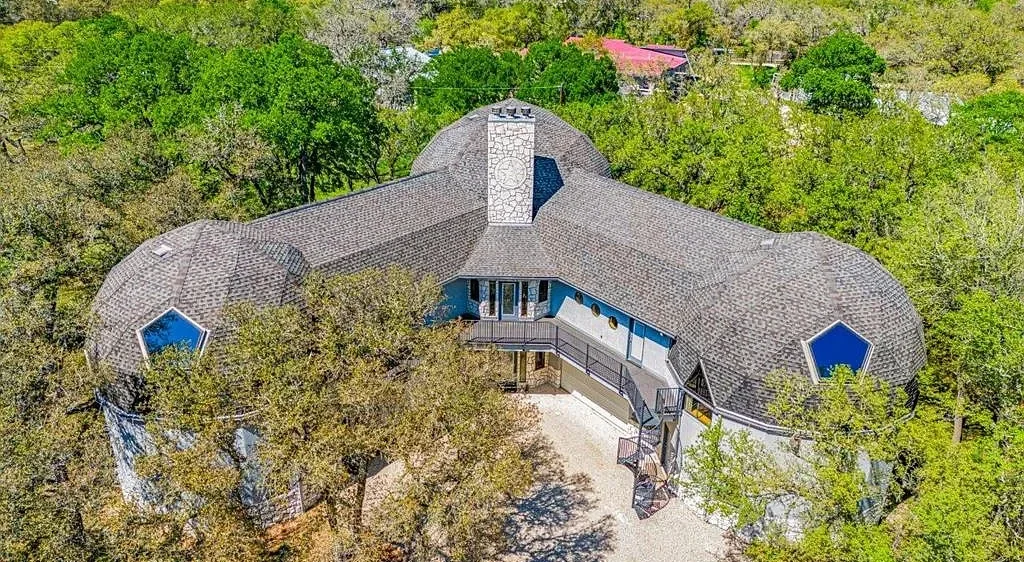
Costs, Materials, Mistakes, and Proven Solutions
Roofing a geodesic dome is often misunderstood, not because domes are difficult, but because most roofers haven’t learned how to roof them yet. Domes themselves are incredibly strong and reliable. When they are roofed with the right materials and methods, they shed water beautifully and will outperform most conventional homes.
This guide is for dome lovers at every stage. If you already own a dome, you will learn how to protect it with the right roofing system. If you are evaluating or planning a new dome, you will see why modern domes perform so well and how roofing becomes simple, predictable, and worry free when it is done correctly.
The roofing challenges homeowners face do not come from the dome. They usually come from inexperience and shortcuts. An unproven crew is risky. A roofer who has never worked on a dome may underestimate the labor, choose the wrong materials, or improvise details that do not shed water correctly. These mistakes are preventable, and we created this guide to help you avoid them.
At Domeworthy, our goal is to help every dome owner enjoy their home worry-free for a lifetime. When you understand the basics or have the right support, the process becomes straightforward and predictable.
This guide will show you what matters, what to avoid, and how to make confident decisions. Whether you want us to roof your dome, support your local roofer, or simply understand your options, we are here to help you get it right the first time.
Our domes are built to last. Your roof should be too.
What we’ll cover
How Dome Roofs Work (And Why They Perform So Well)
Roofing a geodesic dome follows the same core principles as any conventional home. Though the shape is different, gravity works the same way: water flows downhill, shingles overlap to shed water, flashing and membranes protect every transition; everything is installed so water flows downward and away from the structure.
The real difference is the geometry.
Instead of large rectangular surfaces, a geodesic dome has many smaller triangular ones, creating a continuous shell. This shape is one of the strongest and most weather-resistant forms in architecture.
When a dome is roofed with proven materials and proper methods, it performs exceptionally well. The angles shed water, snow, and ice quickly, and no single area absorbs direct sun for long, which extends the life of the roofing material.
Most roofing challenges come from a roofer’s lack of dome experience, not from the dome. Once a crew understands the geometry and follows proven techniques, dome roofing becomes predictable and reliable.
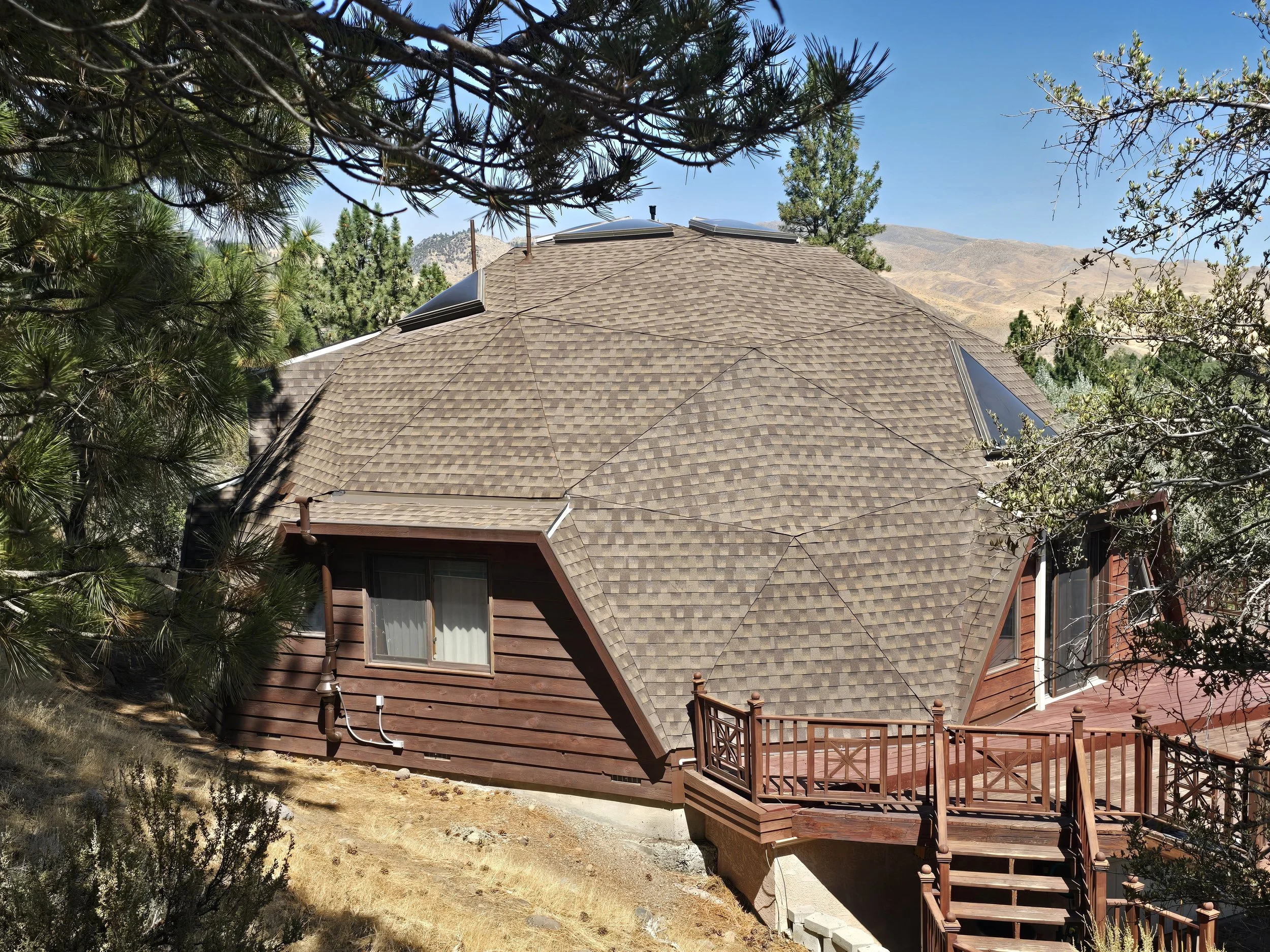
Shingling Triangular Panels
Most domes use the same roofing materials as any conventional home. The difference is the amount of cutting. Each triangular panel needs shingles trimmed to fit its edges and angles, with some pieces overlapping onto adjacent triangles. A typical dome can have anywhere from 55 to 150 triangle panels, so most of the additional labor comes from this extra cutting.
Key points:
Materials are conventional and easy to source
Triangles require more cuts than rectangles
Labor increases because of fitting, not because of complexity
Experienced crews move much faster than first-timers
Valleys and Transitions
Any home has areas where water needs extra guidance, such as valleys and the spots where the steep dome surface meets the flatter roof of an extension. A valley is the V-shaped channel where two roof sections meet. These areas carry concentrated water flow and must be sealed correctly.
These spots depend on good flashing and waterproofing. Flashing is the shaped metal that protects these joints and transitions, and it works together with waterproof membranes to keep water on top of the roofing system. This also helps prevent leaks if an ice dam ever forms. On any style of home, most leaks begin at these transitions, not on the open roof surfaces.
A roofer with strong flashing skills will do well on a dome. Problems usually occur when a crew uses materials that are not suited for the job, relies on caulk, or takes shortcuts instead of applying proper waterproofing details.
Key points:
Domes have valleys and wall-to-roof transitions where water concentrates
Flashing and membranes keep these areas watertight
Most roof leaks happen at transitions, not on the flat surfaces
Strong flashing technique is essential
Materials and Methods
Domeworthy uses only proven materials with decades of real-world performance. Everything we recommend can be sourced locally, and nothing about a well-built dome roof is experimental.
A dome roof excels when the basics are done correctly:
Using materials with proven performance
Installing flashing and waterproof membranes anywhere the shingle pattern breaks, with correct technique and no shortcuts
Cutting shingles or shakes cleanly for tight, consistent fits
Working with the dome’s geometry so water always flows where it should
When these fundamentals are followed, dome roofs become extremely reliable.
Why Dome Roofs Perform So Well
Domes have several natural advantages when it comes to roofing performance. The geometry sheds water efficiently, distributes wind loads evenly, and minimizes the amount of exterior surface exposed to weather. While not every triangle is steep, the overall shape helps water flow cleanly and reduces stress on the roofing system.
Here are the key performance benefits:
Efficient water shedding
Many of the triangular panels on a dome have steeper angles, which helps water move quickly across the roof. Even at the upper portions where the pitch is lower, the continuous curved shape still directs water downward without long flat sections.
Minimal surface area for your interior volume
A dome encloses the most amount of space with the least exterior surface area compared to a conventional home. This makes the structure more efficient to heat and cool and reduces the total area exposed to sun, wind, and moisture.
Lower risk of ice dams
Steeper triangular faces do not allow snow or ice to accumulate the way large flat roof sections do. Ice dams can still occur at valleys or transitions, but modern waterproofing membranes protect these areas.
Wind performance
Wind flows around a dome instead of pushing directly against vertical walls or large flat roof planes. This reduces uplift pressure and contributes to the structure’s overall resilience.
Even distribution of stress
Because the geometry spreads loads across the shell, no single point experiences concentrated weight from snow, wind, or roofing materials. This helps extend the life of both the roof and the structure beneath it.
Domes are naturally resilient forms. When they are roofed with proven materials and proper detailing, they become some of the most durable and efficient homes you can build.
Common Dome Roofing Challenges (And How to Avoid Them)
Dome roofs work beautifully when they are installed by a crew that understands how they work. Many roofers can do an excellent job when they follow the right methods, but problems typically occur when a roofer approaches a dome as if it were a conventional roof. Some will confidently say yes because they want the job, even if their past dome experience is limited or hard to verify.
Domes are reliable. The crew’s approach is what makes the difference.
Homeowners should always look at a roofer’s past dome projects, because the difference between a well-executed dome roof and a first attempt can mean decades of performance or early problems. With the right preparation and proven techniques, the challenges of dome roofing are completely avoidable.
Understanding the most common issues helps you avoid them and ensures your dome performs the way it was designed to.
Underestimating Labor
A dome requires more cutting, more angles, and more movement than a flat or low slope roof. Roofers who have never worked on a dome often underestimate how long the job will take, which can lead to rushed work or mid project adjustments.
A crew with dome experience knows how to pace the work, where the extra effort belongs, and how to complete the roof without surprises.
Improper Flashing
On any home, leaks usually happen where the normal shingle pattern is interrupted, such as chimneys, plumbing vents, dormers, or skylights. The same is true for domes. These areas handle concentrated water flow and must be detailed correctly.
Problems arise when crews rely on caulk, use inappropriate materials, or improvise instead of using proper step flashing, peel-and-stick waterproofing membrane (often called Ice & Water Shield), and fully sealed transitions. When these areas are flashed correctly, they are as reliable as any part of the roof.
Ridge Cap Misuse
A common first time mistake is installing ridge caps along the strut lines of the dome. It looks logical to a roofer who is used to straight roof ridges, but on a dome it creates channels where water can enter. We have seen roofs fail on day one due to this mistake.
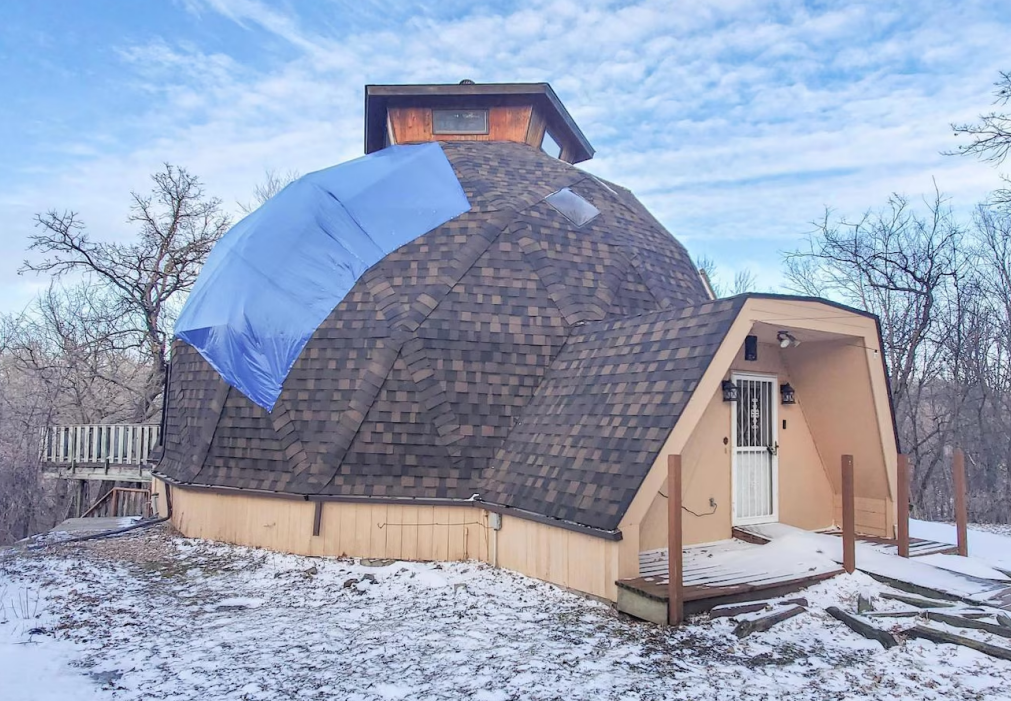
Skylight Issues
Skylights need proper flashing and high quality construction. Skylights without drip caps, cheap skylights, or units with exposed screws or caulked corners are common sources of leaks. If a skylight is leaking, it’s recommended to replace it.
Modern, curb mounted skylights with proper flashing perform extremely well on domes.
Liquid Coating Failures
Liquid coatings may look simple or affordable, but they rarely perform well on dome geometry. Dome panels expand and contract with temperature changes, and most coatings cannot keep up. Cracking, peeling, and recurring leaks are common.
These systems require multiple coats applied with precise timing, and if the first application is even slightly off, no amount of recoating will fix it. Many homeowners end up patching or repainting their coating frequently, which becomes expensive and frustrating over time. Some do well, but most of the good results we hear are from homeowners in very dry climates where rain is infrequent.
Roofing Materials for Geodesic Domes
Nothing about dome roofing requires exotic products. When you use proven materials and install them correctly, the results are strong, efficient, and long lasting.
Choosing materials that have proven performance in hail, hurricanes, and high-wind environments can be especially important. Domes are naturally stable structures, and strong roofing materials maximize that advantage for decades of reliable use.
Below are the materials Domeworthy recommends, as well as the ones we advise avoiding, based on decades of hands-on dome roofing experience.
Asphalt Shingles: A Proven, Reliable Choice
Architectural asphalt shingles perform extremely well on domes. Domeworthy typically recommends GAF architectural shingles or an equivalent. High-quality architectural shingles today often carry 50-year warranties, and we have a 40-year-old dome roof that still looks excellent. They are widely available, cost-effective, and easy for any roofer to work with.
We do not recommend 3-tab shingles on domes. Their separated tabs can loosen when cut to fit triangular panels, especially in high-wind environments.
For homeowners looking to get the most life and energy efficiency from their roof, lighter colors such as GAF’s “Fox Hollow Gray” are an excellent choice. Lighter shingles absorb less heat, which helps the roof last longer and keeps cooling costs down.
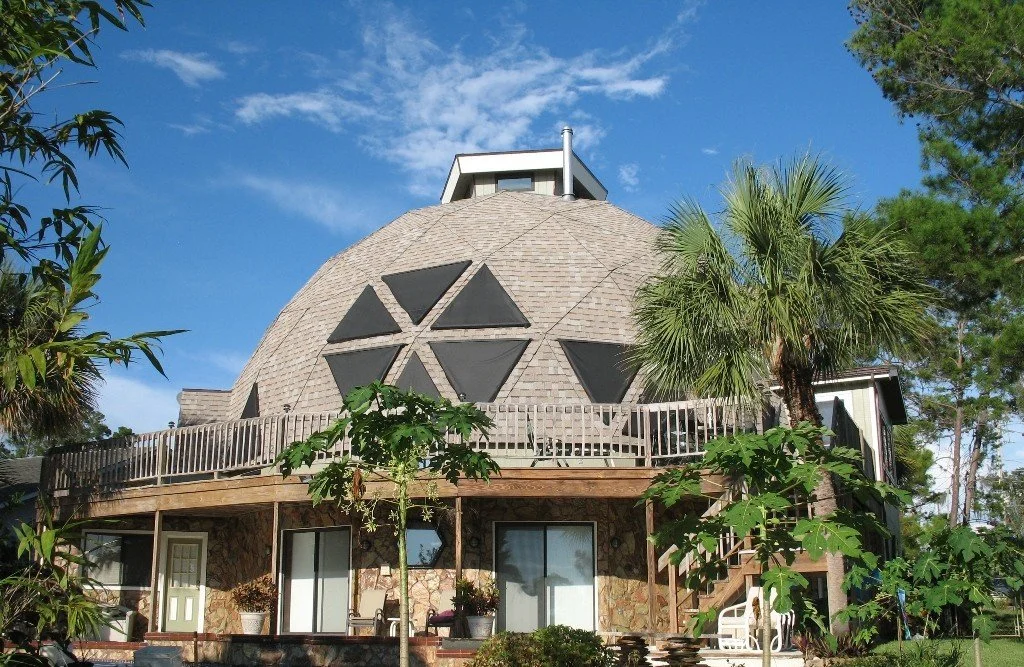
Metal Roofing (Reinke Shakes Recommended)
Metal can be an excellent long-term roofing solution for dome homes, but not all metal products perform equally well on dome geometry. The best results come from materials that bend cleanly around angles.
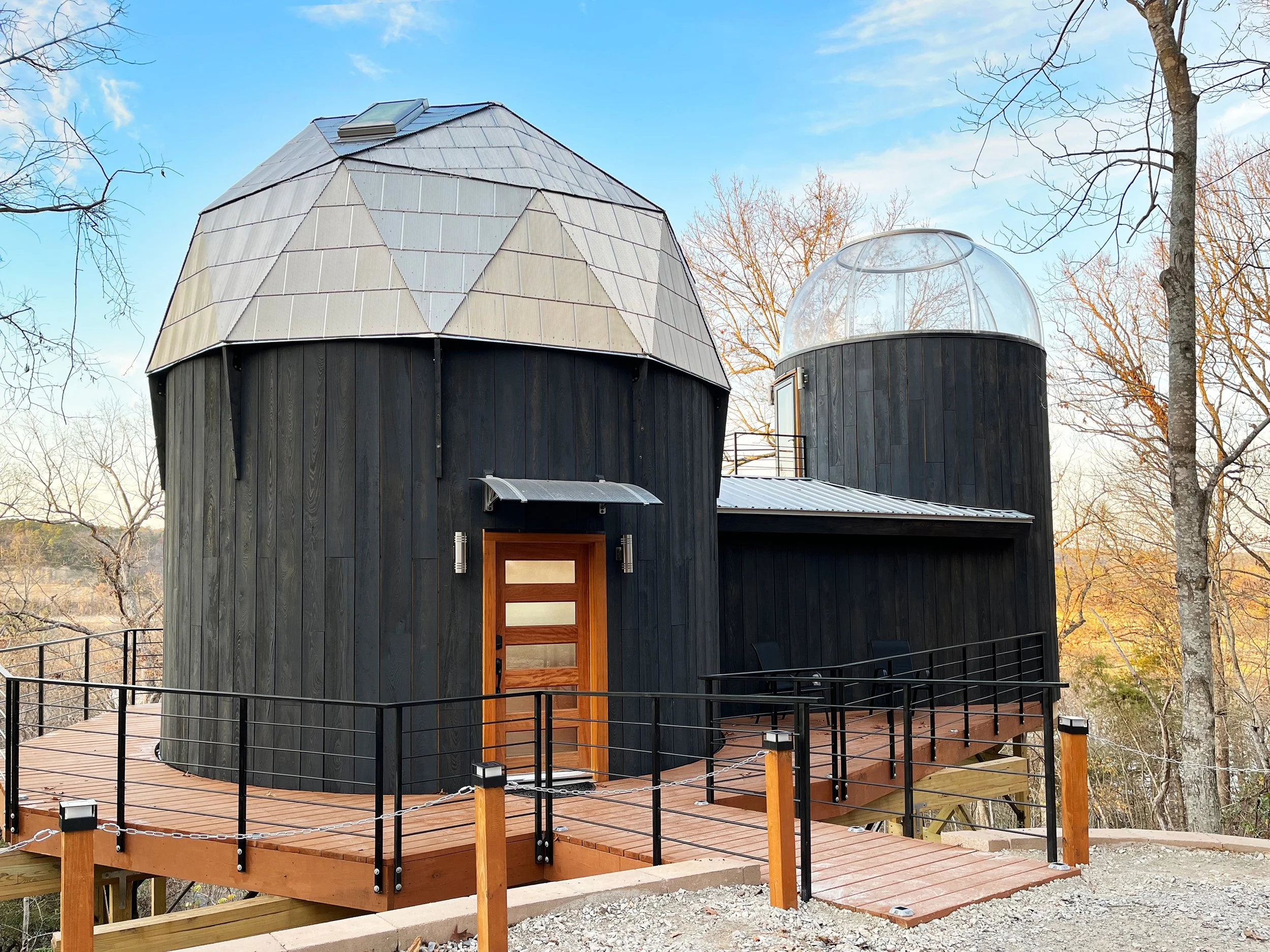
Aluminum Shakes (Our Recommended Metal Option)
We recommend aluminum shakes for dome homes, and Reinke Shakes is our preferred manufacturer because of their long history with domes and their exceptional long-term performance. Their aluminum shingles have been tested in real conditions and have held up through hurricanes, tornadoes, and severe weather events.
This real-world durability, plus the insurance savings, is why aluminum remains one of the best long-term roofing materials for domes.
Properly installed, aluminum shakes can last a lifetime. Their higher price comes mostly from the additional labor required to install them on a dome, not from the material cost itself.
Copper (Premium, Longest-Lasting Option)
Copper is the pinnacle of metal roofing. It can last hundreds of years, which is why so many historic buildings still carry their original copper roofs. It is also the most expensive option and will eventually turn green as it patinas.
For most dome homeowners, aluminum delivers all the performance needed without the premium price.
What to Avoid:
Standing seam metal roofs
These do not adapt well to the triangular layout and we have seen multiple failed installations.
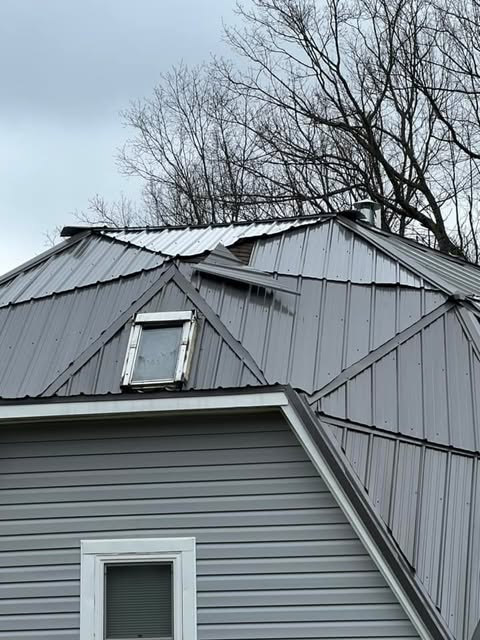
Steel Shakes
Steel shakes tend to perform poorly on domes because they are too thick to overlap cleanly. They do not bend well around dome angles, creating bulky seams that prevent proper waterproofing.
Bottom Line:
Aluminum shakes, especially Reinke Shakes, are the best long-term metal roofing option for dome homes.
TPO Roofing
TPO is durable and can be an excellent choice for domes. Bucky Fuller’s personal dome was re-roofed in TPO, demonstrating that the material performs well when installed correctly.
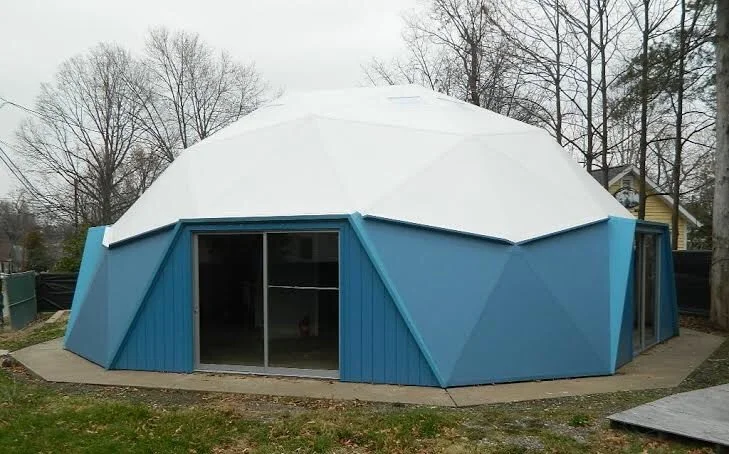
TPO requires a specialized crew because seams must be heat-welded, and the surface is typically painted after installation. It is more expensive upfront than asphalt shingles, but many manufacturers project extremely long lifespans, which is why it has become so popular in commercial roofing.
Liquid Coatings like Elastomeric
Liquid coatings may look simple, but we have rarely seen them perform well on dome geometry. They may appear more affordable upfront, but they often become one of the most expensive options in the long run.
Elastomeric coatings are completely dependent on perfect installation. They require multiple coats applied at the correct temperatures and curing times. If the initial application is even slightly off, the coating will eventually fail, and no amount of patching or recoating will stop water from getting underneath.
All homes expand and contract with temperature changes, and that natural movement can cause liquid coatings to crack or separate over time. On a geodesic dome, there are many seams where a liquid coating can crack and allow water to get in.
Once water gets in, the problem is no longer just the exterior coating. Homeowners often end up dealing with stained ceilings, reduced insulation performance, patching, and repainting interior walls and ceilings.
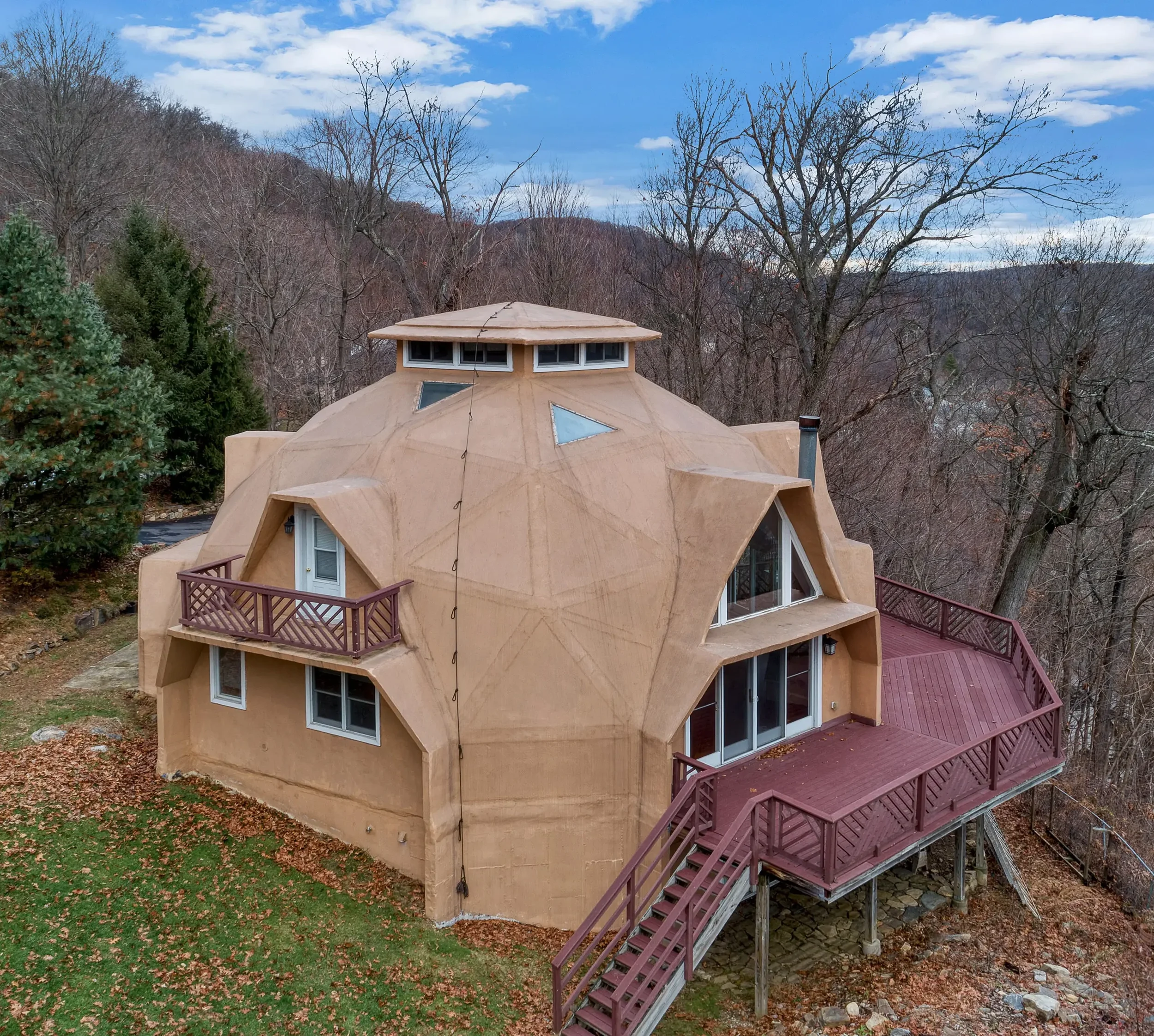
We’ve met many homeowners who have to keep patching or repainting their entire roof coating frequently, and the ongoing cost and frustration add up quickly. What looked like a cheaper roofing choice can turn into an ongoing cycle of maintenance and repair. Every time it rains, homeowners are left wondering whether this storm will bring another leak.
Some dome roofs with liquid coatings do well, but most of the good results we hear are from very dry climates where rain is infrequent.
We’ve worked with many homeowners who found themselves in this situation. Converting a coated dome to shingles is a major project, but it’s one we understand well and have completed successfully for others. Done right, a shingle system can keep the home dry, protected, and low-maintenance for 40+ years before replacement is typically needed.
Cedar Shakes: A Beautiful but Rare Option Today
Cedar shakes have a classic, natural beauty that has inspired builders for generations. Many roofing products today try to mimic cedar’s rich texture and organic warmth. Early dome builders embraced cedar for these same reasons, and older domes with original cedar roofs still have a unique charm.
However, cedar shake roofing has become impractical for most homeowners. It is significantly more expensive than modern alternatives, and it requires specialized craftsmanship that very few crews still practice. Cedar roofs can demand more attention and carry higher fire risk, which can increase insurance costs or limit availability in some regions.
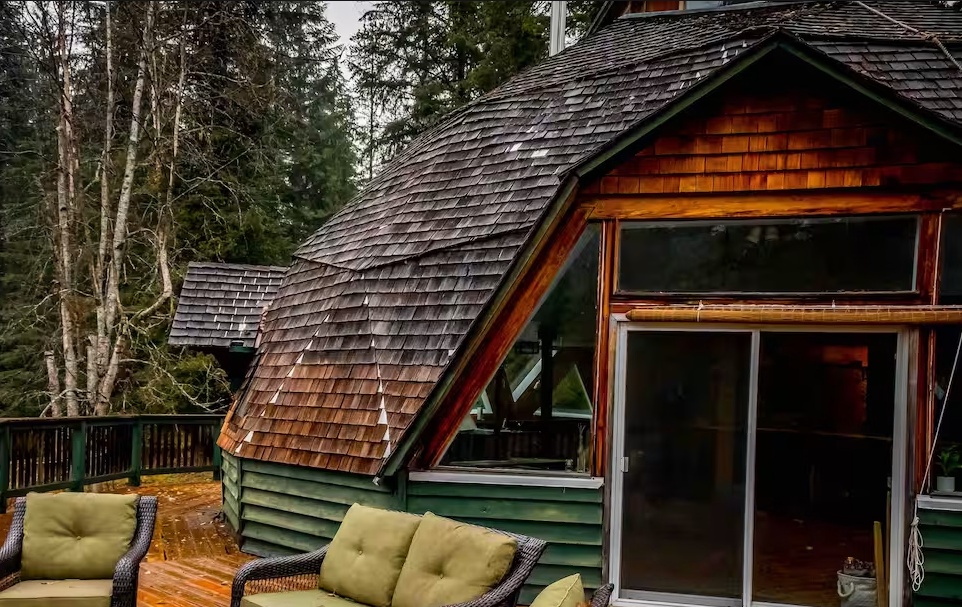
For homeowners who love the aesthetic and sustainability of cedar, aluminum shakes can be a strong alternative. They typically last much longer, are recyclable at end of life, and are less expensive, and may even qualify for insurance savings in some regions.
Architectural shingles remain a practical and reliable choice for most dome owners, but aluminum provides the closest match to cedar’s longevity and environmental appeal.
Skylights That Work on Domes (And the Ones That Don’t)
Skylights can be one of the most beautiful and rewarding parts of a dome home. When you choose the right skylight and it is installed and flashed correctly, it adds tremendous natural light and can perform reliably for a lifetime.
Domeworthy recommends high-quality curb-mounted modern skylights, including our own custom skylights and trusted brands like Velux. These units use modern seals, all-aluminum welded frames, and proper flashing systems that integrate cleanly with dome roofing materials.
When Skylights Do not Work:
There is a common misconception that skylights always leak. In reality, leaks usually come from two places:
Improper flashing by the roofing crew, or
Older skylight designs that were never built to today’s standards.
One of the most common installation mistakes we see is shortcutting step flashing and using one long continuous piece instead. This shortcut cannot shed water correctly and leads leads to leaks.
Skylights that rely on older construction methods are more likely to fail, especially those with:
exposed screws
wood frames
caulked corners
no drip cap
These often require maintenance homeowners were unaware of and inevitably fail.
If a skylight on your dome is leaking, we recommend replacing it during your roofing project so the new system can be properly flashed and fully warrantied.
Why Domeworthy Skylights Perform So Well:
Domeworthy’s skylights are designed specifically for long-term residential performance. Our custom units use welded all-aluminum frames, modern seals, high-performance glass, and cleanly integrated flashing systems that work seamlessly with dome geometry. There are no exposed screws to come loose, no wood to swell or rot, and no caulked corners that break down over time.
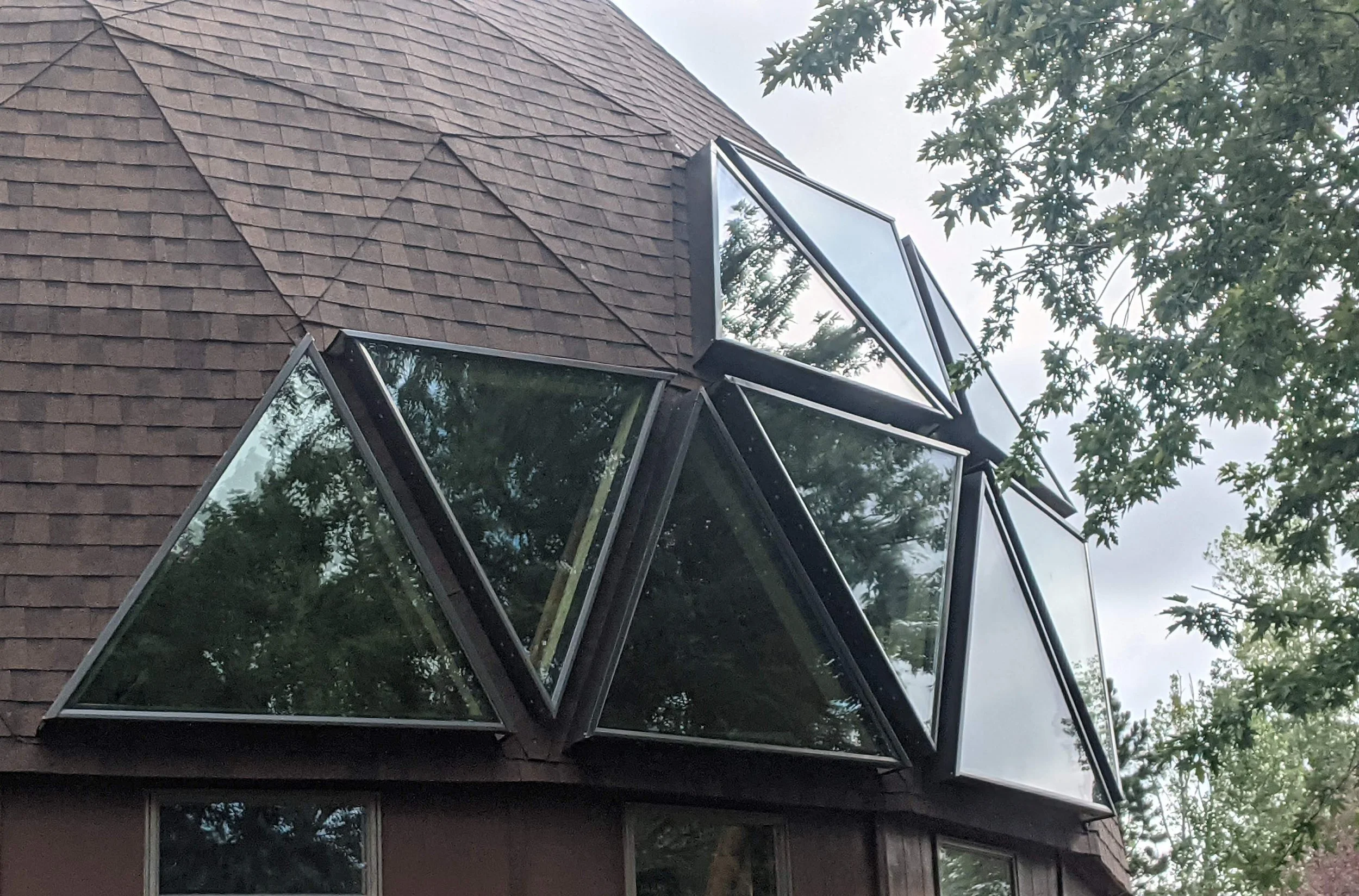
For homeowners seeking maximum comfort and efficiency, our skylights can be built with triple-pane glass and solar-control tints that reduce heat gain while keeping interiors bright. When installed correctly, these skylights provide exceptional durability, energy efficiency, and beautiful consistent natural light without the maintenance headaches of older designs.
Many homeowners tell us their skylights become one of their favorite features of the dome, especially with large window patterns that make dome spaces feel so open and alive.
The Bottom Line:
A well-chosen, properly installed skylight does not leak. When you use modern curb-mounted units and proven flashing methods, skylights become one of the most dependable parts of a dome. With the right system, you get all the beauty of natural light with none of the headaches.
Dome Designs with Exposed Seams
Some dome manufacturers created systems where the exterior shell was made of large triangle panels, and the seams between them were sealed with caulk. These designs commonly fail over time because temperature changes cause the seams to expand and contract. Eventually the sealant separates, allowing water to enter.
Domeworthy does not recommend maintaining any system that relies on caulked exterior seams, especially in non-desert climates. These roofs cannot be reliably sealed long-term.
We have helped homeowners convert these domes to reliable roofing systems that keep water out dependably and restore confidence in the home. It is a large project, but one we can guide you through.
PVC and Fabric Covered Dome Tents
Many of the concerns people hear online about domes leaking or being uncomfortable come from PVC or fabric-covered dome tents, not permanent geodesic homes. These structures can work well for short-term stays and, in very mild climates, even full-time living with the right upgrades. However, they do not meet the insulation, weatherproofing, or building requirements needed for year-round residential comfort.
This guide focuses on roofing systems for permanent geodesic homes designed for everyday comfort and long-term durability.
Summary: The Best Materials for Dome Roofs
Here is the short list:
Best long-term choice: Aluminum shakes
Best performance vs cost: Architectural asphalt shingles
Ultimate lifespan: Copper
Situational: TPO
Generally not recommended: Liquid coatings and domes with exposed seams
Roofing your home is not the place to experiment. It is the place to use what works.
Dome Roofing Costs: What to Expect
A Clear, Honest Guide
Dome roofs cost more than conventional roofs because they require more cutting, more detailing, and more attention at transitions. But they also perform better and become a predictable, long-term investment when done correctly. Our goal is to make the numbers easy to understand so you can make confident decisions.
Roof Surface Area
To estimate a roof, a roofer needs to know its surface area. For a dome, as the diameter of a dome increases, its volume grows much faster than its surface area.
A simple way to visualize it:
Double the diameter → 8× the interior space
But only → 4× the roof surface area
Compared to a typical two-story colonial with the same interior square footage, a dome has roughly half the exterior surface area. This is one of the reasons domes are so energy efficient and so strong in severe weather.
Materials
Material choice is one of the biggest factors in overall cost.
Asphalt shingles are the most affordable and perform extremely well when installed correctly.
Aluminum shakes cost more, primarily because of increased labor, not because the material is expensive.
Copper is a premium option that can last centuries, but the price reflects that.
Homeowners often choose asphalt or aluminum because both provide decades of reliable performance on a dome.
Labor and Experience
Labor is where most pricing differences appear.
Inexperienced roofers often underestimate the labor.
Experienced roofers often overbid their first dome to protect themselves or price themselves out.
A crew with dome experience knows where the labor actually goes, how to work efficiently, and how to price the job accurately.
This is why dome experience matters.
Additional Work That Affects Cost
Some homes need extra carpentry or repairs before the new roof can go on. These can include:
Adding slopes to flat sections
Restoring or replacing rotted sheathing
Replacing leaking skylights
Installing new skylights
These steps add cost but are often essential for a long-lasting roofing system.
Ballpark Estimates
For asphalt shingles, a quick ballpark estimate is simple: Diameter of the dome × $1,000
So a 36-foot dome might be roughly $36,000, not including extensions or dormers. Aluminum shakes can cost around twice as much, mainly because of the addtional labor involved.
These are only rough guides. The only way to get an accurate price is through a proper quote from a crew that understands dome geometry.
Why Getting It Right Matters
Most major roofing issues appear during the first heavy rain. The usual culprit is flashing mistakes, not the dome and not the shingles.
We have seen cases where even experienced crews made fundamental errors on their first dome, leading to leaks so widespread that the entire roof had to be redone. No one wants to pay for a roof twice, not the homeowner and not the roofer.
A correct installation prevents all of this.
Why Choose a Dome-Experienced Crew
The right crew:
estimates accurately
works efficiently
uses the correct materials
installs every detail correctly the first time
This gives you a roof that performs beautifully for decades and eliminates worry during the first big storm.
Our dome roofing team provides the smoothest, most predictable experience. If you already have a roofer you trust, we can guide them step-by-step, but the more dome experience a crew has, the better.
Final Cost Perspective
Dome roofs may cost more upfront, but that investment gives you a roofing system that sheds water efficiently, handles wind naturally, and performs predictably year after year. With proven materials and the right installation, a dome roof becomes one of the most dependable and low-stress roofing environments you can own.
Common Mistakes That Lead to Dome Roof Problems (And How We Help You Avoid Them)
Domes are incredibly reliable when roofed correctly. Most failures come from a crew’s unfamiliarity, not from the dome itself.
This section highlights the most common problems we see and how Domeworthy helps homeowners prevent them entirely.
Incorrect Material Choice
Some roofing materials simply do not perform well on dome geometry. Panels expand and contract, angles shed water differently, and the wrong materials can create vulnerabilities over time.
Common material issues include:
Using products not designed for curved or multi-angled surfaces
Choosing systems that rely on caulk or adhesives
Relying on thin membranes or coatings that cannot handle temperature movement
Installing outdated skylights (covered in Section 3.7)
Installing the right materials from the beginning is far less expensive than correcting the wrong ones later.
Underestimating the Labor
Roofers unfamiliar with domes often underestimate the amount of cutting, fitting, and detailing required. This can lead to rushed work, cost overruns, and missed steps.
Common labor misjudgments include:
Assuming a dome installs like a large rectangular roof
Not budgeting for the time required to cut shingles to fit triangular panels
Moving too quickly and shortcutting essential steps
Underestimating flashing work around extensions, dormers, or entryways
A calm, steady pace with clear sequencing produces the best results.
Improper Flashing
Flashing is the number one cause of leaks on both domes and conventional homes. Most leaks occur at intersections where water changes direction or there’s an interruption in the standard shingle pattern.
Any penetration through a roof, whether it is a skylight, plumbing vent, chimney, or cupola, follows the same roofing principles on a dome as on a conventional home. The geometry changes, but the technique does not. Problems occur when a roofer improvises, relies on caulk, or shortcuts the proper layered flashing system.
Flashing mistakes we see:
Relying on caulk instead of proper metal flashing
Skipping step flashing where a roof plane meets a wall
Incorrectly flashing valleys around extensions or dormers
Improvising details when unsure of the correct method
Most leaks are actually flashing leaks, not shingle problems.
Incomplete Removal of Old Roofing
Saving money by layering new shingles over old ones often makes things worse.
Problems that arise when the old roof is not removed:
Hidden damage remains underneath
New shingles cannot fully bond
Valleys and intersections become uneven
Flashing cannot be properly installed
Moisture can become trapped
Full removal is essential for a clean, long-lasting installation.
Incorrect Use of Caulk
Caulk is never the primary waterproofing method on a dome roof.
Common caulk-related mistakes:
Using caulk instead of metal flashing
Sealing areas that are meant to breathe
Applying caulk that fails in UV exposure
Relying on caulk at corners or slope transitions
Caulk is a finishing detail, not a solution.
Skylight Mistakes
Some leaks turn out to be skylight or skylight flashing issues. Older skylights were not designed with modern long-term performance in mind and many roofers shortcut proper flashing techniques.
Common skylight mistakes:
Skylights without a drip cap
Units with exposed screws, wood frames, or caulked corners
Plastic or RV-type skylights not designed for residential homes
Keeping a leaking skylight during a reroof
Older units with seals that have simply aged out
Skipping step flashing and using one long continuous piece instead
Domeworthy’s approach:
If it is leaking, we recommend replacing it so the new roof can be warrantied
For functioning existing skylights, we add proper step flashing and drip caps to improve long-term performance
The key point: A good skylight, installed with proper flashing, performs extremely well on a dome. Most failures come from a bad skylight or the way it was flashed.
Cupola and Vertical Wall Transitions
Cupolas and vertical walls create intersections where water changes direction. Mistakes in these areas can lead to slow leaks that appear far down from the actual source.
Common transition issues:
Improper flashing or lack of membrane where pitched surfaces meet vertical walls
Inadequate counter-flashing
Designs that allow water to enter at the base of the cupola
Leaks that show up far below the entry point
These details are easy to get right with the proper method.
Working Without Dome Experience
Most problems happen when crews guess and your home becomes their first attempt. Even skilled roofers benefit from dome-specific guidance.
Risks of working without dome experience:
Modifying details that should not be modified
Skipping step flashing or using one long piece to save time
Improvising transitions instead of layering them correctly
Underestimating how important sequencing is
Installing ridge caps along strut lines, assuming they function like ridges
Creating flat spots where water can pool
Using caulk where metal flashing or membrane should be
With the right guidance, dome roofing becomes straightforward and predictable.
How Domeworthy Helps You Roof Your Dome Correctly
A Partner, Not Just a Provider
Our goal is simple: we want you to enjoy your dome home leak-free and worry-free for decades to come. Dome roofing is not complicated when the crew understands dome geometry. With the right materials, the right details, and the right guidance, the process becomes predictable and reliable.
Domeworthy supports homeowners in three ways, depending on your needs, budget, and the roofer you want to work with.
Option 1: Hire Our Dome Roofing Team (Recommended)
This is the most trusted and complete option.
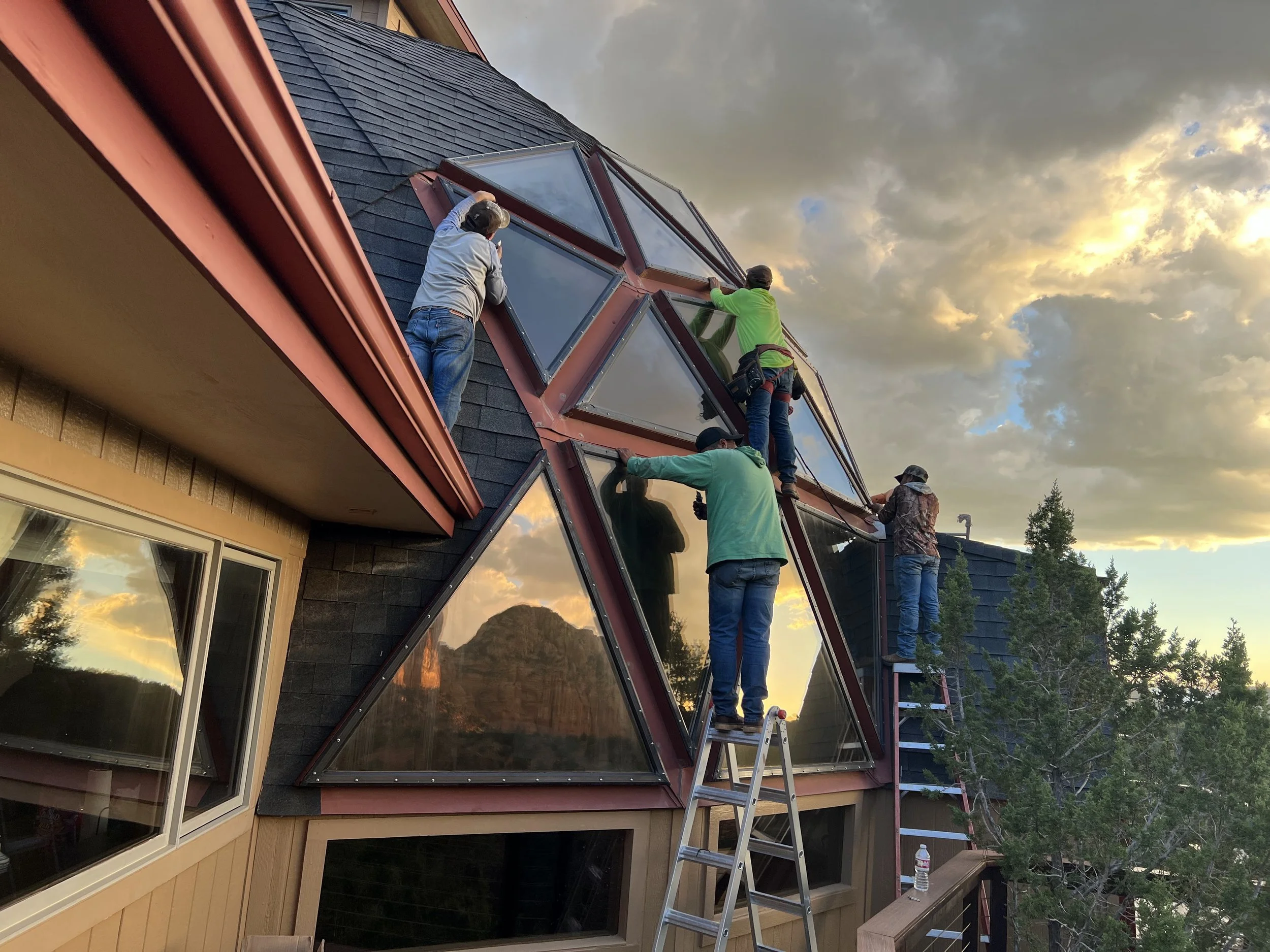
We partner with our dedicated roofing team that has successfully completed dozens of dome roofs across the country and understands every detail that makes them perform beautifully. They know how to estimate accurately, plan the layout, execute clean flashing work, and deliver a long-lasting roof you can rely on.
Homeowners from coast to coast choose this option because they want total confidence and peace of mind. Many are happy to cover travel costs knowing their dome will be roofed by the most experienced team available.
This is the option we recommend for the most predictable, worry-free, and long-lasting result.
Option 2: Bring Us On-Site to Support Your Local Roofer
If you already have a roofer you trust or if travel costs make Option 1 difficult, we can have one of our dome specialists come on-site and guide the installation. We teach your roofer exactly how to:
plan the shingle layout
cut and fit shingles for triangular panels
flash valleys, walls, extensions, and dormers
install skylights and cupolas correctly
avoid the most common first-time mistakes
This option combines the familiarity of a local crew with the dome expertise of Domeworthy. It delivers good results, though it depends on your roofer following our guidance precisely.
Option 3: Remote Training and Step-by-Step Support
When bringing our crew onsite isn’t possible, we still want to help you succeed. Domeworthy offers remote dome-specific training because every correctly roofed dome strengthens the entire dome community.
We guide your roofer through the process step-by-step, including:
overall layout planning
cutting shingles for triangular panels
flashing techniques for valleys, dormers, and vertical walls
skylight and cupola integration
sequencing and overlap fundamentals
While this option cannot match the precision of having us onsite, it ensures your roofer is never guessing. We offer this support because protecting dome homeowners and protecting domes themselves is core to our mission.
Why Homeowners Choose Domeworthy
Homeowners choose Domeworthy because we bring decades of hands-on dome experience and clear, proven methods that remove uncertainty. Whether you hire our dome-experienced roofing team, have us guide your local crew onsite, or use our remote training, our goal is always the same:
A roof that performs beautifully and reliably for decades.
Our commitment is that you understand the process, avoid costly mistakes, and end up with a roof you can trust through every season.
Your Dome Roof Should Last for Decades
A well-installed dome roof creates a home that feels solid, quiet, and deeply comfortable through every season. It sheds water quickly, distributes wind loads naturally, and remains dependable year after year.
With the right team or the right guidance, your dome roof becomes a long-term asset that protects your home, reduces maintenance stress, and lets you enjoy everything that makes dome living extraordinary.
Domeworthy is here to help you build a dome home that lasts.
Dome Roofing FAQ
-
No. Dome homes do not leak because of their shape.
A well designed and properly installed dome roof is extremely reliable. Leaks almost always come from poor detailing, missing flashing, or inexperienced roofers. When the right materials and methods are used, dome roofs stay watertight for decades. Many domes built in the 1960s are still in excellent condition today, including asphalt roofs that are over 40 years old.
-
First rain leaks come from mistakes in roofing. The most common errors include skipping step flashing, misusing ridge caps, or relying on caulk instead of proper waterproofing systems. These are training issues, not structural issues. A correctly built dome roof will not fail on day one.
-
Most skylight leaks come from one of two causes:
Improper flashing by a roofer who did not install step flashing or waterproof membranes correctly, or
A failing skylight, usually an older unit with wood frames, exposed screws, caulked corners, or missing drip cap.
The long-term solution is either reflashing the skylight correctly or replacing it with a modern curb-mounted unit during your roofing project.
Domeworthy offers both solutions.
Our roofing team specializes in flashing skylights on domes, and our custom welded aluminum skylights are designed for long-term performance, efficiency, and leak-free installation. If you want a skylight you can trust for decades, we can help. -
Yes. Domes naturally redirect wind, shed water quickly, and resist uplift.
-
For most homeowners, the two best choices are:
Asphalt shingles: great performance, best value
Aluminum shakes: especially Reinke Shakes which offer exceptional longevity and strong resistance to hurricanes and tornadoes.
We generally do not recommend liquid coatings or panel systems with caulked seams.
-
Every dome is unique, but here is a simple guideline.
Asphalt shingles typically cost the dome diameter multiplied by 1,000 dollars, not including extensions or dormers.
Aluminum shakes usually cost about twice as much due to increased labor and detailing.The only way to know your true cost is to get a detailed quote based on your dome and your location.
-
Any roofer can attempt a dome roof, but dome experience matters.
The biggest risk is not lack of general roofing skill. The real problem is lack of dome specific training.
The best results come from Domeworthy’s roofing team or from a trusted local roofer working with our on site or remote support. Experience is what protects the home. Guesswork is what causes leaks.
-
No. A cupola is not required to prevent condensation. In a well-designed Domeworthy home, moisture control is built into the overall wall and roof system through proper insulation, vapor control, air sealing, and ventilation. A window cupola can help release humid interior air, but it does not vent the insulation cavity. The better approach is to manage humidity at its source with bathroom fans, range hoods, and other purposeful ventilation.
-
Yes. We help homeowners replace failing coating systems with reliable shingle or metal roofs.
Liquid coatings and caulked seams often fail because they cannot handle expansion and contraction. Conversions are significant projects, but when done correctly, homeowners are always relieved to have a roof they can trust again.
-
If the skylight is leaking, it should be replaced during the reroof so the new system can be sealed and warrantied.
If it is not leaking, we can leave it in place and upgrade the flashing and drip caps.
Older skylight designs with exposed screws, wood frames, or no drip cap fail most often. Modern curb-mounted skylights with welded aluminum frames perform far better. -
Absolutely! They’re often the most loved feature of a dome. Skylights bring dramatic natural light, highlight the architecture, and allow for beautiful geometric window patterns you can’t achieve in a conventional home.
The best time to add or replace skylights is during a roofing project, when they can be properly flashed and fully integrated into the roof system.
Final Thoughts: You Deserve a Dome Roof That Lasts
Roofing a dome does not need to be overwhelming. Domes are strong, proven, and capable of remarkable longevity. When they are roofed with the right materials and methods, they become some of the most reliable, resilient, and comfortable homes you can live in.
You deserve a roofing experience that is clear, predictable, and handled with care. Domeworthy exists to make dome ownership simple, beautiful, and worry free. Our mission is to ensure every dome owner feels supported and every dome structure performs the way it was meant to.
Whether you need a complete reroof, guidance for your local roofer, or help choosing the right materials, we are here to support you at every step.
Your dome is worth doing right, and we are honored to help you build a home that lasts for generations.
Ready for Clarity and Confidence?
Talk to a Dome Roofing Specialist
We will walk you through your options, help you avoid costly mistakes, and guide you toward a roof you can trust for decades.
No pressure. We are here to help you protect your dome and make the process simple.